Ñòðàííûé âîïðîñ... È íå ïî ñóùåñòâó îáñóæäàåìîé òåìû.
Íà òàêîé ñòðàííûé âîïðîñ ìîæíî äàòü îòâåò òîëüêî â òàêîì æå ñòèëå: Ïîòîìó ÷òî ÿ çäåñü æèâó, à íå â Ðîññèè.
Âû õîòèòå ìåíÿ îáñóäèòü? Ìîè âçãëÿäû íà æèçíü? Òîãäà òàê ïðÿìî è ñêàæèòå, îòêðîåì òåìó, îáñóäèì. _________________ A la guerre comme a la guerre èëè âòîðàÿ ðåäàêöèÿ Çàáóãîðíîâà
 ñâÿçè ñ ïîñòóïàþùèìè âîïðîñàìè î òîì, ïî÷åìó ïðåêðàùåíî óñûíîâëåíèå èìåííî àìåðèêàíöàìè, õîòåëè áû ñîîáùèòü ñëåäóþùåå.
Äåéñòâèòåëüíî, â Àìåðèêå íåìàëî ëþäåé ñ òåïëûì ñåðäöåì, êîòîðûå èñêðåííå îòäàþò ñâîþ ëþáîâü ïðèåìíûì ñûíîâüÿì è äî÷åðÿì, â òîì ÷èñëå äåòÿì ñ îãðàíè÷åííûìè âîçìîæíîñòÿìè. Íî ýòî òîëüêî ÷àñòü ïðàâäû. Ê ñîæàëåíèþ, åñòü è äðóãàÿ ñòîðîíà ìåäàëè, êîãäà íàøè ìàëåíüêèå ãðàæäàíå óñûíîâëÿþòñÿ ðîäèòåëÿìè èíîãî ñîðòà, ïîïàäàÿ â îò÷àÿííûå ñèòóàöèè áåç êàêîé-ëèáî ïðàâîâîé çàùèòû. È ýòî íå âîïðîñ ñòàòèñòèêè (õîòÿ è îíà íå òàê ðàäóæíà, êàê åå ïîäàþò â ÑØÀ), íî ñóäüáû, à áûâàåò – è ïðàâà ðåáåíêà íà æèçíü.
Åñëè æå ãîâîðèòü î ñòàòèñòèêå, òî çàïóùåííûå â îáîðîò äàííûå î ÷èñëå ðîññèéñêèõ äåòåé, ïîãèáøèõ îò ðóê àìåðèêàíñêèõ óñûíîâèòåëåé (19 íåñîâåðøåííîëåòíèõ ñ 1996 ã.), – ëèøü âåðõóøêà àéñáåðãà. Ýòî òîëüêî ïîäòâåðæäåííûå ñëó÷àè, î êîòîðûõ ñòàëî øèðîêî èçâåñòíî. Îôèöèàëüíàÿ ñòàòèñòèêà ïî äàííîìó âîïðîñó â ÑØÀ îòñóòñòâóåò. Åñëè â ÑÌÈ ïî òåì èëè èíûì ïðè÷èíàì íå ïîïàäåò èíôîðìàöèÿ î ïðîèñõîæäåíèè ïîãèáøåãî ðåáåíêà, óçíàòü î åãî ðîññèéñêèõ êîðíÿõ ïðàêòè÷åñêè íåâîçìîæíî. Ïî ïðèáûòèè â Ñîåäèíåííûå Øòàòû Àìåðèêè âñå óñûíîâëåííûå ïðèîáðåòàþò àìåðèêàíñêîå ãðàæäàíñòâî, ñîîòâåòñòâåííî, è àìåðèêàíñêèå èìåíà è ôàìèëèè.
Äà è â öåëîì â ÑØÀ îáñòàíîâêà ñ óñûíîâëåíèåì – íå èç ëó÷øèõ. Ñîãëàñíî äàííûì ÍÏÎ «Àìåðèêàíñêîå ïðîôåññèîíàëüíîå îáùåñòâî ïî áîðüáå ñî çëîóïîòðåáëåíèÿìè â îòíîøåíèè äåòåé» (American Professional Society on Abuse of Children), êàæäîå ÷åòâåðòîå ìåæäóíàðîäíîå óñûíîâëåíèå òàì çàêàí÷èâàåòñÿ íåóäà÷åé è ïðèâîäèò ê ïñèõîëîãè÷åñêîìó èëè ôèçè÷åñêîìó óùåðáó äëÿ ðåáåíêà.
Âûçûâàåò òðåâîãó è îáùàÿ ïðàêòèêà æåñòîêîãî îáðàùåíèÿ ñ äåòüìè. Ïî èíôîðìàöèè ÍÏÎ «×àéëäõåëï» (Childhelp), åæåäíåâíî â ÑØÀ îò æåñòîêîãî îáðàùåíèÿ ïîãèáàþò â ñðåäíåì ïÿòü äåòåé. Ïî îöåíêàì ïðàâîçàùèòíèêîâ, â 50-60% ñëó÷àåâ ãèáåëè ðåáåíêà îò ðóê âçðîñëûõ èñòèííàÿ ïðè÷èíà ñìåðòè ñêðûâàåòñÿ.  èòîãå, êàê ïîäñ÷èòàëè â ÍÏÎ «Íàöèîíàëüíàÿ êîàëèöèÿ çà ïðåêðàùåíèå äåòñêèõ ñìåðòåé îò íàñèëèÿ» (NCECAD), ñ 2001 ã. ÷èñëî ïîãèáøèõ â ÑØÀ äåòåé â òðè ðàçà ïðåâûñèëî ïîòåðè àìåðèêàíñêèõ âîåííûõ â çîíàõ êîíôëèêòîâ çà òîò æå ïåðèîä.
Ê ïðèìåðó, íè â Èòàëèè, íè â Èñïàíèè, êîòîðûå íåçíà÷èòåëüíî îòñòàþò îò ÑØÀ ïî ÷èñëó óñûíîâëåííûõ ðîññèéñêèõ äåòåé (â 2011 ã. àìåðèêàíöû, èòàëüÿíöû è èñïàíöû óñûíîâèëè, ñîîòâåòñòâåííî, 965, 798 è 685 äåòåé èç Ðîññèè), âîïèþùèõ ñëó÷àåâ æåñòîêîãî îáðàùåíèÿ ñ óñûíîâëåííûìè è òåì áîëåå èõ ãèáåëè íå îòìå÷åíî.
Íå ïîäòâåðæäàåòñÿ è ðàñïðîñòðàíÿåìîå â ÑÌÈ ìíåíèå, ÷òî àìåðèêàíöû â îñíîâíîì óñûíîâëÿþò â Ðîññèè äåòåé-èíâàëèäîâ.  2011 ã. íà 965 óñûíîâëåííûõ ãðàæäàíàìè ÑØÀ ïðèøëîñü, ïî ðàçíûì äàííûì, ëèøü îò 44 äî 89 íåñîâåðøåííîëåòíèõ ñ îãðàíè÷åííûìè âîçìîæíîñòÿìè.
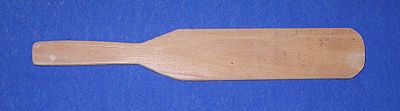
À â Øòàòàõ îêàçûâàåòñÿ äåòåé ïîðþò, è äîìà, è â øêîëå. È âñ¸ ýòî ëåãàëüíî. Âî âñåõ Øòàòàõ. Ïîðþò èëè âðó÷íóþ, èëè èñïîëüçóÿ äåðåâÿííûå èíñòðóìåíòû äëÿ ïîðêè. Âîò òàêèå:
Despite some opposition to corporal punishment in the United States, the spanking of children is legal in all states.[24] Bans have been proposed in Massachusetts[25] and California[26][27] on all corporal punishment of children, including by parents, but these moves were heavily defeated.[28]
The legality of corporal punishment in the US is typically established by the making of special exceptions in the state's law on the crimes of assault, criminal battery, domestic violence and/or child abuse. These laws usually establish that no crime has been committed when certain actions are applied to a minor by that child's parent or legal caregiver. However, the language is often vague. The line between permitted corporal punishment and what is legally defined as abuse varies by state and is not always clear (laws typically allow "reasonable force" and "non-excessive corporal punishment"). For example, two different articles of the Minnesota Legislature allow parents and teachers to use corporal punishment as a form of discipline by creating explicit exceptions to the state's child abuse statutes for "reasonable and moderate physical discipline."[29][30] Also, in 2008 the Minnesota Supreme Court ruled that spanking a child is legal and does not constitute abuse. The ruling stated that "We are unwilling to establish a bright-line rule that the infliction of any pain constitutes either physical injury or physical abuse, because to do so would effectively prohibit all corporal punishment of children by their parents" and "it is clear to us that the Legislature did not intend to ban corporal punishment". The case involved a man who had spanked his 12-year-old son 36 times with a maple paddle and who was declared innocent by the Minnesota Supreme Court.[31]
There can be consequences for using corporal punishment that operate outside of the judicial system. These typically take the form of health department regulations, including Child Protective Services and rules on Mandated reporting. In the case of the latter, certain visible injuries along with reports by a child can trigger a mandatory report of child abuse to the local CPS or equivalent agency. Such agencies operate on definitions of child abuse provided by the state's health department (which are often very different from the exceptions provided in the criminal code) and have the power to investigate cases with their own agents, such as social workers. If the agency determines abuse has occurred, some actions can be taken immediately without the involvement of the police or the courts. These can include warning the parent, referring the parent to counseling, flagging the parent's name in the agency database [32] or even immediate removal of the child or children from the parent's home.[33] If corporal punishment causes the death of a child, the person who administered the punishment may be arrested and charged with murder. For example, Larry and Constance Slack were arrested in 2001 and later convicted of murdering their 12-year-old daughter, Laree Slack. And in February 2010, Kevin and Elizabeth Schatz were arrested and charged with murdering their seven-year-old daughter.[34]
Race, gender, and social class appear to be a significant factor in U.S. domestic corporal punishment. Black families are more in favor of it on average than white ones.[35] Boys are more likely than girls to be spanked at home,[36] and corporal punishment of boys tends to be more severe and more aggressive than that of girls[37] despite some research suggesting that corporal punishment is more counterproductive for boys than girls.[38] Middle-class parents tend to administer corporal punishment in greater numbers than their counterparts above them on the socioeconomic scale; however, lower-class parents tend to do so with greater frequency.[39]
_________________ A la guerre comme a la guerre èëè âòîðàÿ ðåäàêöèÿ Çàáóãîðíîâà
À âîò îðãàíèçàöèÿ "Love our children : USA", åå ïðåññ-ðåëèç :
" ñëåäóþùóþ ìèíóòó ðåá¸íîê ñòàíåò æåðòâîé íàñèëèÿ èëè ïðåíåáðåæåíèÿ.
Êàæäûé ãîä ñâûøå ç ìèëëèîíîâ äåòåé ñòàíîâÿòñÿ æåðòâàìè íàñèëèÿ èëè ïðåíåáðåæåíèÿ, è ýòî òîëüêî òå ñëó÷àè, î êîòîðûõ åñòü ðàïîðòà.
Ðåàëüíîå êîëè÷åñòâî ñëó÷àåâ íàñèëèÿ íàä äåòüìè â òðè ðàçà âûøå.
Îêîëî 3,3 ìèëëèîíà ðàïîðòîâ î íàñèëèè, â êîòîðûå áûëè âîâëå÷åíû ñâûøå 6 ìèëëèîíîâ äåòåé îòìå÷åíû â 2009 ãîäó.
Êàæäûå äåñÿòü ñåêóíä íàñèëèå è ïðåíåáðåæåíèå äåòüìè ðàïîðòóåòñÿ.
Îêîëî ïÿòè äåòåé â ñðåäíåì ïîãèáàåò êàæäûé äåíü â ðåçóëüòàòå íàñèëèÿ è ïðíåáðåæåíèÿ.
Îêîëî 600 000 äåòåé æèâóò, íå èìåÿ ïîñòîÿííîé ñåìüè".
Ýòî áûëà ñóááîòíÿÿ ïðîïîâåäü, ïîñâÿùåííàÿ àìåðèêàíñêèì äåòÿì, ïðîïîâåäü â ñóááîòó 29 äåêàáðÿ 2012 ãîäà. _________________ A la guerre comme a la guerre èëè âòîðàÿ ðåäàêöèÿ Çàáóãîðíîâà
http://www.ccainstitute.org/why-we-do-it-/facts-and-statistics.html
In the U.S. 423,000 children are living without permanent families
in the foster care system. 115,000 of these children are eligible for adoption, but nearly 40% of these children will wait over three years in foster care before being adopted.
...
Foster care is intended to be a short term solution until a permanent placement can be made:[3] Generally the first choice of foster parents is a family member who is a relative such as an aunt, uncle or grandparent. If no related family member is willing or able to adopt, the next preference is for the child to be adopted by the foster parents or by someone else involved in the child's life (such as a teacher or coach). This is to maintain continuity in the child's life. If neither above option are available, the child may be adopted by someone who is a stranger to the child.
If none of these options are viable the plan for the minor may be to enter OPPLA (Other Planned Permanent Living Arrangement). This option allows the child to stay in custody of the state and the child can stay placed in a foster home, with a relative or a long term care facility (for children with development disabilities, physical disabilities or mental disabilities).
547,415 children were in publicly supported foster care in the United States in September 2000.[4] In 2009, there were 423,773 children in foster care, a drop of about 20% in a decade.[5]
In 2009, there were about 123,000 children ready for adoptive families in the nation's foster care systems.[6] African American children represented 41% of children in foster care, white children represented 40% and Hispanic children represented 15% in 2000.[4]
Children may enter foster care via voluntary or involuntary means. Voluntary placement may occur when a biological parent or lawful guardian is unable to care for a child. Involuntary placement occurs when a child is removed from their biological parent or lawful guardian due to the risk or actual occurrence of physical or psychological harm. In the US, most children enter foster care due to neglect.[7] If a biological parent or lawful guardian is unwilling to care for a child, the child is deemed to be dependent and is placed under the care of the child protection agency. The policies regarding foster care as well as the criteria to be met in order to become a foster parent vary according to legal jurisdiction.
Especially egregious failures of child protective services often serve as a catalyst for increased removal of children from the homes of biological parents. An example is the brutal torture and murder of 17-month-old Peter Connelly, a British toddler who died in London Borough of Haringey, North London after suffering more than 50 severe injuries over an eight-month period, including eight broken ribs and a broken back. Throughout the period of time in which he was being tortured he was repeatedly seen by Haringey Children's services and NHS health professionals.[8] Haringey Children's services already failed ten years earlier in the case of Victoria Climbié.[9]In the time since his death in 2007 cases have reached a record rate in England surpassing 10,000 in the reporting year ending in March 2012.[10] _________________ A la guerre comme a la guerre èëè âòîðàÿ ðåäàêöèÿ Çàáóãîðíîâà
Ñåíñàöèåé ÿâëÿåòñÿ òî ÷òî Çàêîí (Äèìû ßêîâëåâà), ïîõîæå, íèêòî íå ÷èòàë. À åñëè ÷èòàë - òî íå ïîíÿë. À åñëè ïîíÿë - òî íå òàê. Òàì î ñèðîòàõ òîëüêî îäíà ñòàòüÿ (4-àÿ), ê òîìó æå íåãëàâíàÿ. _________________ A la guerre comme a la guerre èëè âòîðàÿ ðåäàêöèÿ Çàáóãîðíîâà


 FAQ
FAQ Ïîèñê
Ïîèñê Ïîëüçîâàòåëè
 Ãðóïïû
 Ðåãèñòðàöèÿ
 Ïðîôèëü
 Âîéòè è ïðîâåðèòü ëè÷íûå ñîîáùåíèÿ
 Âõîä
Âõîä