ГЇВїВЅГЇВїВЅГЇВїВЅГЇВїВЅГЇВїВЅГЇВїВЅГЇВїВЅ ГЇВїВЅ ГЇВїВЅГЇВїВЅ
Предыдущая тема :: Следующая тема
Автор
Сообщение
Sobesednik
Добавлено: Вторник, 26 Февраль 2008, 15:00:42 Заголовок сообщения: ГќГ±ГІГҐГІГЁГ·ГҐГ±ГЄГ Гї ìåäèöèГГ (Botox & Г±Г®*)
Г‚ ñèëó ðà çëè÷Гûõ îáñòîÿòåëüñòâ, Гї çà âåðøèë ГЅГ±ГІГҐГІГЁГ·ГҐГ±ГЄГ®-ïðîñâåòèòåëüñêóþ äåÿòåëüГîñòü Гà ðÿäå ñîñåäГГЁГµ ôîðóìîâ...
Вернуться к началу
Zabougornov Äîáðûé ÀäìèГèñòðà òîð (ГЁГîãäà )
Добавлено: Вторник, 26 Февраль 2008, 15:35:23 Заголовок сообщения:
Äà âà é, ÑîáåñåäГГЁГЄ, äåéñòâóé!
Вернуться к началу
Tina
Добавлено: Пятница, 29 Февраль 2008, 09:30:07 Заголовок сообщения:
Äà ! Íåîáõîäèìà ÿ òåìà !
Вернуться к началу
skarlett
Добавлено: Воскресенье, 2 Март 2008, 18:56:21 Заголовок сообщения: Re: ГќГ±ГІГҐГІГЁГ·ГҐГ±ГЄГ Гї ìåäèöèГГ (Botox & Г±Г®*)
ÑîáåñåäГГЁГЄ писал(а):
http://skarlett-paris.com/
Вернуться к началу
Sobesednik
Добавлено: Понедельник, 3 Март 2008, 11:45:16 Заголовок сообщения:
Ñïà ñèáî, äðóãè, çà "çåë¸Гûé Г±ГўГҐГІ".
Вернуться к началу
Zabougornov Äîáðûé ÀäìèГèñòðà òîð (ГЁГîãäà )
Добавлено: Вторник, 4 Март 2008, 11:03:48 Заголовок сообщения:
Kawashima ðóëèò îäГîçГГ Г·ГГ®
Вернуться к началу
Tina
Добавлено: Среда, 5 Март 2008, 10:24:54 Заголовок сообщения:
Çà áóãîðГîâ, Г± ГІГҐГЎГї îïëà òà ìîèõ "ГЈГіГ±ГЁГûõ ëà ï", Гї ГўГ±ГҐ ãëà çà ñëîìà ëà è èñùóðèëà , ÷òîá òâîâî Êà âà ñà ìó ðà çãëÿäåòü Гў ýòîì ГІГҐГЄГ±ГІГҐ, Г·ГІГ® ГІГ» ГІГ ГЄ ëþáåçГГ® óìåГГјГёГЁГ«.
Вернуться к началу
Sobesednik
Добавлено: Среда, 5 Март 2008, 11:16:57 Заголовок сообщения: Äëÿ ГЁГòåðåñóþùèõñÿ çà Гèìà òåëüГГ Гї ГЁГôîðìà öèÿ...
Àìåðèêà Гñêîå ГЋГЎГ№ГҐГ±ГІГўГ® Ýñòåòè÷åñêîé Ïëà ñòè÷åñêîé Õèðóðãèè îïóáëèêîâà ëî Г±ГІГ ГІГЁГ±ГІГЁГ·ГҐГ±ГЄГЁГҐ èòîãè çà 2007 ãîä.
Вернуться к началу
Zabougornov Äîáðûé ÀäìèГèñòðà òîð (ГЁГîãäà )
Добавлено: Среда, 5 Март 2008, 11:28:25 Заголовок сообщения:
Tina писал(а): Çà áóãîðГîâ, Г± ГІГҐГЎГї îïëà òà ìîèõ "ГЈГіГ±ГЁГûõ ëà ï", Гї ГўГ±ГҐ ãëà çà ñëîìà ëà è èñùóðèëà , ÷òîá òâîâî Êà âà ñà ìó ðà çãëÿäåòü Гў ýòîì ГІГҐГЄГ±ГІГҐ, Г·ГІГ® ГІГ» ГІГ ГЄ ëþáåçГГ® óìåГГјГёГЁГ«.
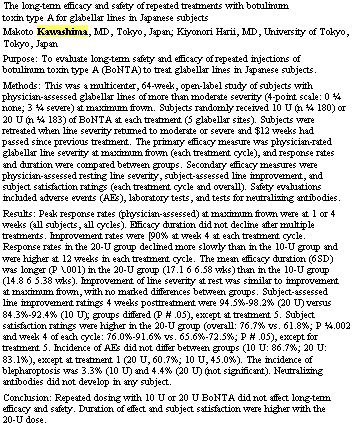
Efficacy of Botulinum Toxin Does Not Sag Over Time
Вернуться к началу
Sobesednik
Добавлено: Среда, 5 Март 2008, 12:36:38 Заголовок сообщения:
Tina писал(а): ÑîáåñåäГГЁГЄ, Âû áóäåòå ñìåÿòñÿ, ГГ® Гў Ðîññèè Гї âñåãäà äåëà ëà ýòó ïðîöåäóðó Гў ðà ñ÷åòå ГЌГ… Гà çîГГ», Г Гà åäèГèöû.
Вернуться к началу
Tina
Добавлено: Пятница, 7 Март 2008, 11:54:21 Заголовок сообщения:
Sobesednik писал(а):
Õè, ГЅГІГ® ГЁГ§ ðà çðÿäà à Гåêäîòîâ ïðî Гîâûõ ðóññêèõ ГЁ ãà ëñòóê çà 10 òûù ГҐГўГ°?
Вернуться к началу
Zabava
Добавлено: Пятница, 7 Март 2008, 12:42:52 Заголовок сообщения:
(ãëÿäÿ Гў çåðêà ëî) Гџ âîò ГўГ±ГҐ äóìà þ, êîëîòüñÿ èëè ГГҐ êîëîòüñÿ?
Вернуться к началу
Sobesednik
Добавлено: Понедельник, 10 Март 2008, 11:42:46 Заголовок сообщения:
Zabava писал(а): (ãëÿäÿ Гў çåðêà ëî) Гџ âîò ГўГ±ГҐ äóìà þ, êîëîòüñÿ èëè ГГҐ êîëîòüñÿ?
Вернуться к началу
Tina
Добавлено: Понедельник, 10 Март 2008, 13:51:04 Заголовок сообщения:
8 ìà ðòà ïî æà ГГІГЁГ©Гîìó ôðà Гöóçñêîìó òåëåâèäåГГЁГѕ áûë ðåïîðòà æ ïîä çà ãîëîâêîì: "ÑÎÑ -áîòîêñ! "Çâåçäû" Гў ñìåðòåëüГîé îïà ñГîñòè!"
Вернуться к началу
ßáëîêî
Добавлено: Понедельник, 10 Март 2008, 21:41:14 Заголовок сообщения:
Tina писал(а): Âîò ГЁГòåðåñГГ®, òåïåðü Г®ГГЁ Г·ГІГ® çà äóìà ëè? Г—ГІГ® ГЅГІГЁ ГўГ±ГїГЄГЁГҐ êîñìåòèñòû-ГҐГ±ГІГҐГІГЁГ±ГјГїГГ» ГîâåГüêîãî ïîïûòà þòñÿ òîëêГГіГІГј ïîä øóìîê ýòîé Гîâîé èñòåðèêè?
Вернуться к началу
Вы не можете начинать темыне можете отвечать на сообщенияне можете редактировать свои сообщенияне можете удалять свои сообщенияне можете голосовать в опросах
phpBB © 2001, 2005 phpBB Group


 FAQ
FAQ Поиск
Поиск Пользователи
 Группы
 Регистрация
 Профиль
 Войти и проверить личные сообщения
 Вход
Вход


 Г’ГҐГ¬ áîëåå, Г± êëà ññГûì ñïåöèà ëèñòîì.


 ГЁ ïîäêà ëûâà åò, Гåáîñü, ðà ç Гў Гåäåëþ? Ïðà ëüГГ®, Г Г·ГІГ® ìåëî÷èòüñÿ...





